


Transfer Letter of Credit (LC) Services in Hong Kong: How We Can Help Your Business

In this blog, we’ll dive into what a Transferable Letter of Credit is, how it benefits your business, and how our LC services can assist you in managing this crucial financial instrument for successful cross-border trade.
BRN vs. CRN: Decoding Hong Kong’s Unique Business Identifier (UBI)

The UBI system consolidates the Business Registration Number (BRN) and the Company Registration Number (CRN) into a single identifier. This change has significant implications for businesses in Hong Kong, helping improve transparency, ease of operation, and regulatory compliance.
Dissolving Your Hong Kong Company: A Complete Guide to Winding-Up, Deregistration, and Liquidation

This guide provides an in-depth explanation of the different methods available for closing a private limited company by shares in Hong Kong. We will discuss the four primary methods for closing a business in Hong Kong: deregistration, member’s voluntary winding-up, creditor’s voluntary winding-up, and compulsory winding-up by the High Court. Understanding these options will help you make an informed decision about the best method for your company.
Notes on Labor in M&A Transactions in Vietnam

Definition and Overview of M&A
Mergers and acquisitions (M&A) refer to the process where two companies combine into a single entity (merger) or one company takes over another (acquisition). These transactions are fundamental to the growth strategies of businesses, enabling them to expand operations, access new markets, or gain competitive advantages.
Importance of Labor Considerations in M&A
In the context of M&A transactions, labor considerations are often overlooked in favor of financial or operational factors. However, employees form the backbone of any business, and their rights and interests can significantly impact the success of a deal. M&A activities can lead to profound changes in the workforce, making labor-related issues an essential element in the planning and execution of these transactions.
E-Commerce Platform in Malaysia – Shopee

Shopee has become a key player in Southeast Asia’s booming e-commerce market. With its rapid expansion, Shopee now operates in several countries, including Malaysia, Indonesia, Thailand, Singapore, and more. For business owners in countries like Australia, looking to enter the Malaysian market, Shopee offers a practical and accessible way to expand e-commerce operations. However, foreign sellers must understand the eligibility requirements, advantages, and challenges of selling on Shopee in Malaysia.
Shopee Singapore for Foreign E-Commerce Businesses: How to Get Started
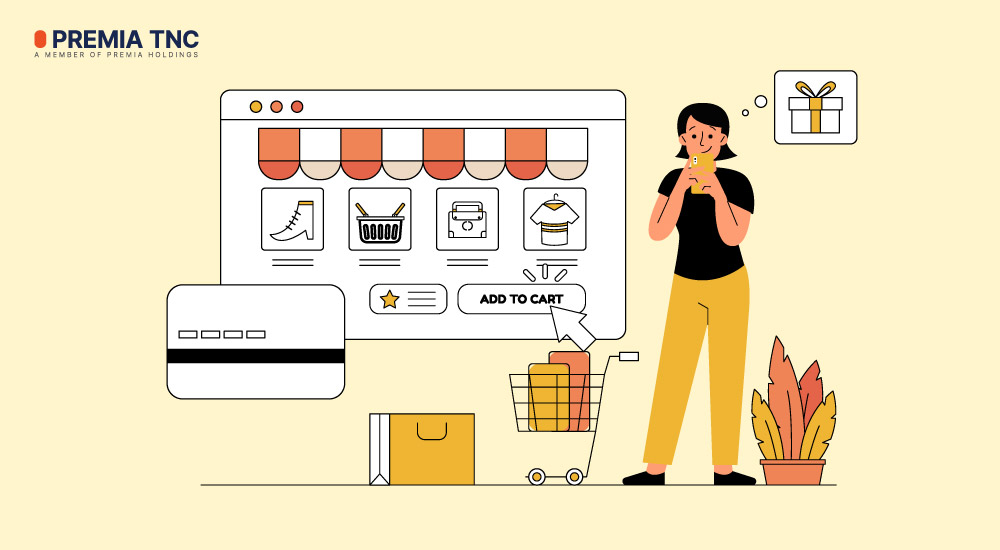
E-commerce is transforming the way businesses operate globally, and Singapore has emerged as one of the most attractive hubs for foreign entrepreneurs. Its strategic location, pro-business environment, robust logistics infrastructure, and strong digital adoption make it ideal for launching online retail operations. One platform that has gained significant traction in Singapore is Shopee, Southeast Asia’s leading online marketplace.
For foreign entrepreneurs, leveraging Shopee Singapore offers a unique opportunity to tap into the regional e-commerce boom. This guide will walk you through what foreign businesses need to know, eligibility requirements, the advantages and disadvantages of selling on Shopee, and why Singapore is the perfect base for your e-commerce venture.
This article explores the differences between the two in detail, helping aspiring entrepreneurs and business owners make informed choices.
Key Considerations for E-Commerce Tax Filing in Dubai

Dubai, UAE, is a significant market for e-commerce businesses worldwide. E-commerce companies are required to file Value Added Tax (VAT) for goods and services sold within the UAE. Recently, changes in corporate tax laws and foreign ownership regulations have made tax compliance even more crucial. Companies operating e-commerce businesses in the UAE must adhere to tax regulations and ensure accurate filing and payment to avoid fines and legal risks. In this article, we will discuss the key points e-commerce businesses in Dubai should be aware of when filing taxes.
How to Safely Manage Corporate Salary Payments in the UAE Using the WPS System
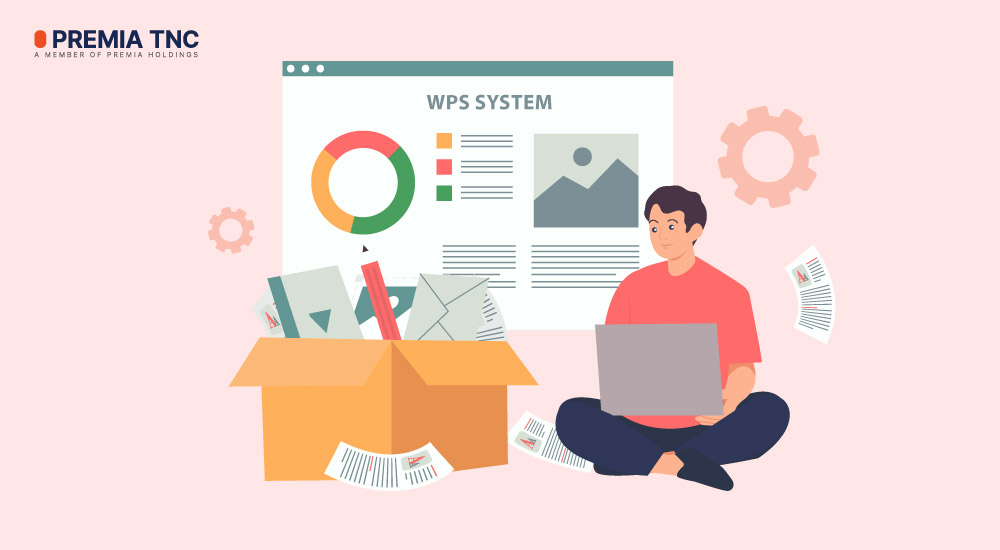
The United Arab Emirates (UAE) has rapidly emerged as an economic hub in the Middle East, with numerous international companies establishing operations in the region. However, there is an essential aspect that foreign business owners and employees must be aware of when operating in the UAE— the WPS system. The Wage Protection System (WPS) ensures that employees’ salaries are paid in the prescribed manner, safeguarding their rights and maintaining transparency in salary payments.
Post Company Registration Checklist for UAE Companies

This comprehensive post-registration checklist will guide UAE-based entrepreneurs and investors through the essential steps after setting up a company.
Irrevocable Letter of Credit (LC) Services in Hong Kong: How We Can Help Secure Your International Transactions

In this blog, we will explore the importance of Irrevocable Letters of Credit, how they work, and how our services can support your business in facilitating secure, risk-free transactions across the globe.